Expressive design is a design approach that reflects human diversity through solutions that are meaningfully functional, visually distinctive, and emotionally impactful.
It is expressed through functional relevance, distinctiveness, and emotional impact — both aesthetics and functionality in use.
It is not defined by a single visual expression, but by a consistent intent articulated through four principles:
Functional
relevance
it serves real human needs with clarity and purpose.
Distinctiveness
it is obviously recognizable and unmistakably differentiated.
Emotional
impact
through aesthetics
it engages, wows, and delights people through its sensory and visual qualities.
Emotional
impact
through functionality
it engages, wows, and delights through intelligent functionality and interaction.
I NEED IT
for its extraordinary utility
Apply now
ToolsA growing
visual library
The following images represent only a small selection of examples intended to illustrate what expressive design can look like when translated into products. They include a mix of visionary concepts, used in the Samsung exhibition at Milan Design Week 2026, and products that have already reached the market, providing an initial sense of the direction and its potential.
This is not a complete catalog. Rather, it is the beginning of a living visual library that will continue to grow over the coming years as we bring our expressive design strategy to life across our product portfolio. Each new product and concept will contribute to expanding this collection, enriching our shared understanding of what expressive design means in practice and inspiring the next generation of experiences.
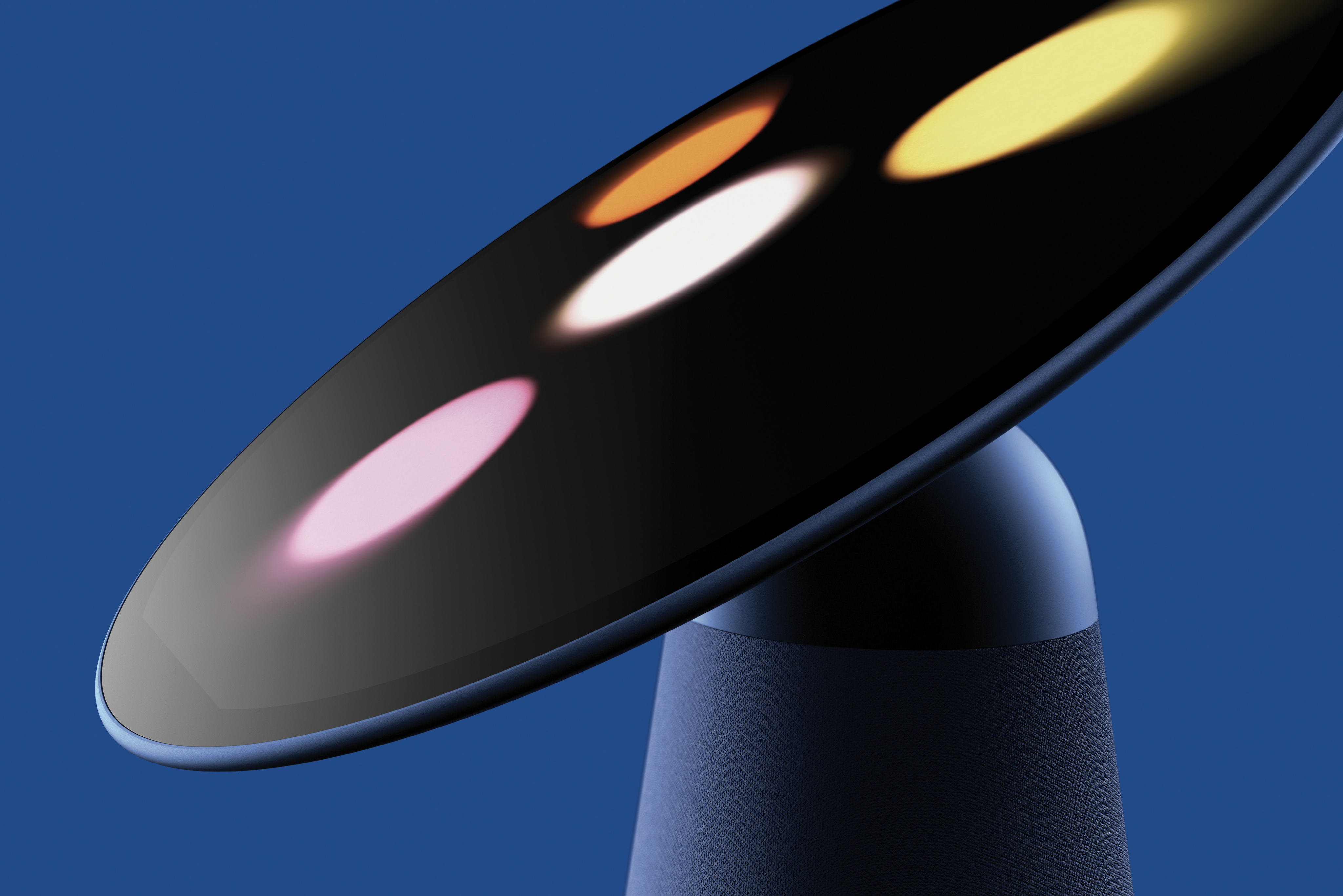
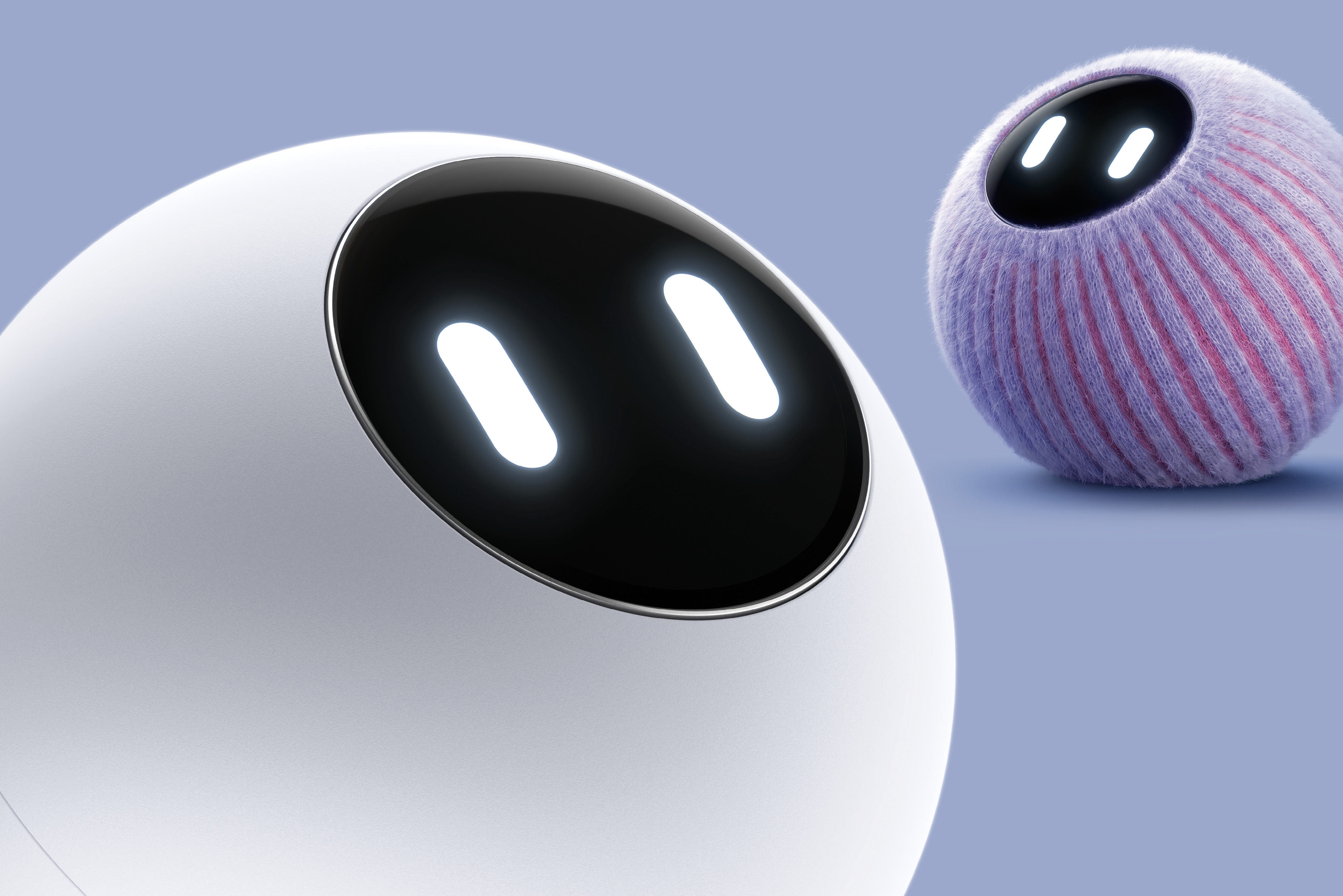
We need both functional relevance
and emotional impact through functionality.
A product may be extremely functional, and absolutely differentiated from any competitor, but still not able to evoke any emotion, any delight, any surprise, any joy.
Emotional impact is necessary. And it can be achieved through exquisite visual codes (e.g. overall aesthetics, unexpected proportions, unique details, extraordinary colors, finishes or materials), as well as through unexpected functionality (e.g. AI-enabled tools for creativity, powerful camera lens able to capture the moon, user-friendly UI to facilitate cooking or washing). Samsung products need to have them both.
To generate emotional impact, innovation is critical: to surprise, to delight, to be noticed, and to engage, aesthetics and functionality need to be innovative and never experienced before in such a form and way.
The business value of the emotional impact:
Unique Selling Point (USP)
The emotional impact is what makes the product and the experience feel special. Feeling is the keyword: it is that unique feeling that builds the emotional bond between user and product.
USP
Unique Selling Point
Functional
relevance
Distinctiveness
Emotional
impact
through aesthetics
Emotional
impact
through functionality
The emotional impact is then translated into a meaningful story about the product that people can share with others. The foundation of this story should be defined both by aesthetic and functional features.
These people can be:
- *Users sharing their story with their friends
- *Influencers sharing the story with their followers
- *Media sharing the story with their audience
- *Sales teams sharing the story with their buyers and customer teams (retailers and distributor)
- *Retail sales associates sharing the story with their consumers
The business world calls these highly emotional features Unique Selling Point (USP). Depending on the industry and the company, sometimes the Emotional Impact through Functionality prevails, driven by the belief that aesthetic features have a lower business impact.
This is a reminder instead that we need to consciously and carefully invest in both dimensions to amplify both meaningful human engagement and sustainable business results.
Two modes of expressive design in
product and UX
Not all products should express themselves in the same way: expression follows meaning, context, and role.
Depending on their role in the environment, products can express design through two complementary modes.
Expressive presence
Functional
relevance
Distinctiveness
Emotional impact
through
aesthetics
Emotional impact
through
functionality
Expressive harmony
Four principles of expressive design
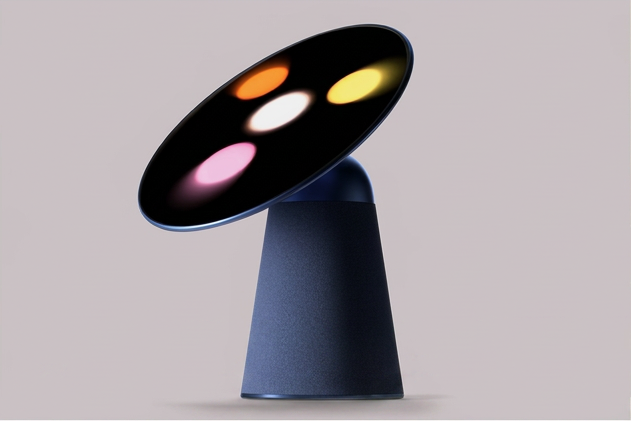
Some products are visible in the environment and contribute to the identity of the space or the user.
These products can carry stronger visual expression, differentiation, and personality.
Their expression may range from subtle refinement to bold visual character, but they intentionally have a recognizable presence.
Typical examples include:
Smartphones and wearables
TVs, speakers, and monitors
Robots
Air purifiers
Vacuum cleaners and robot cleaners
These products live in the room or in the hands of people, and therefore can support identity, emotional engagement, and differentiation.
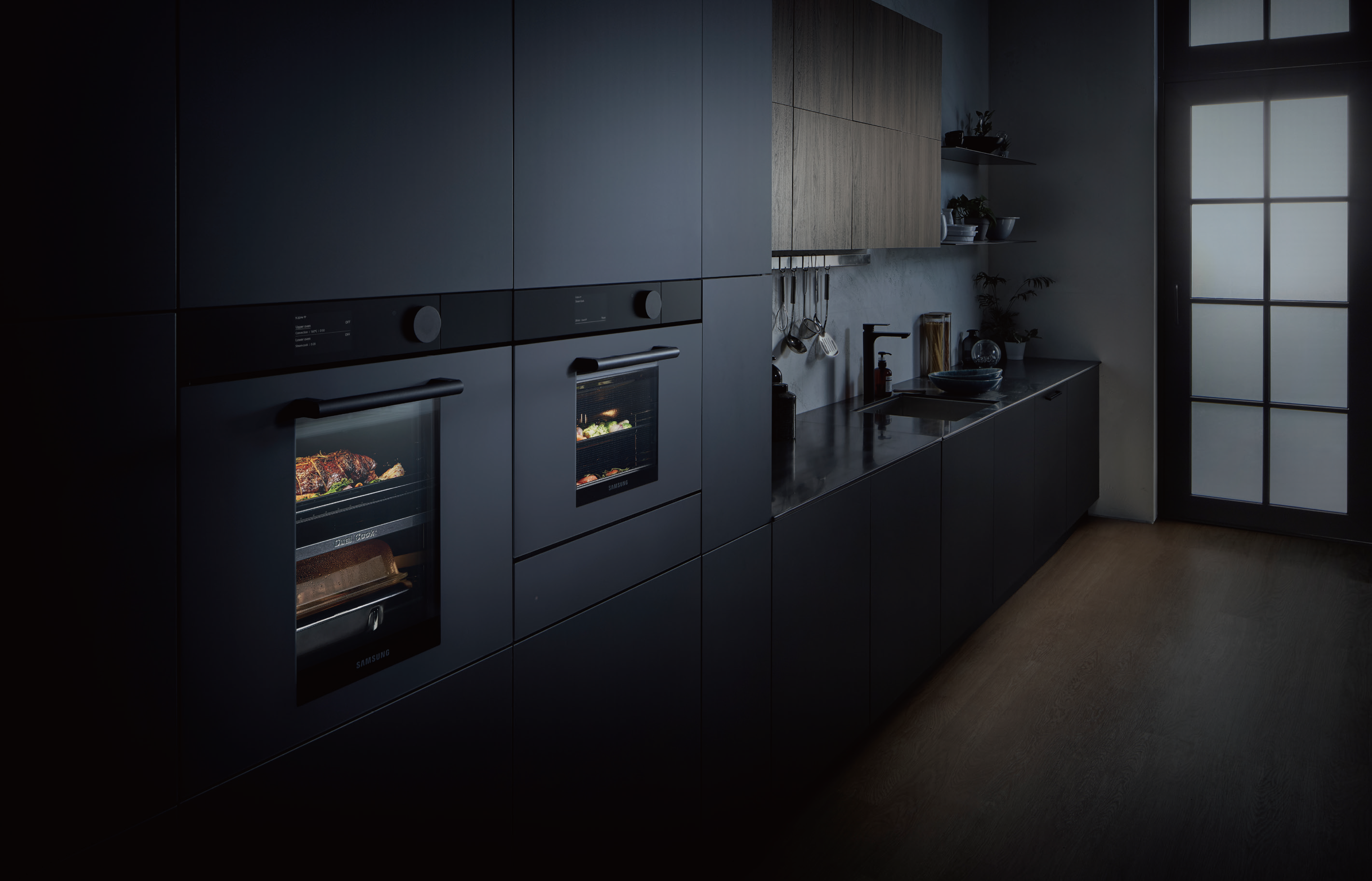
Other products are designed to integrate into the environment and disappear with elegance.
In these cases, expressive design is achieved through refinement, proportion, material quality, and coherence across product systems, rather than visual dominance.
Typical examples include:
Built-in ovens and microwaves
Dishwashers, washers and dryers
Range hoods
These products typically sit against walls or inside cabinetry and therefore contribute to the architectural harmony of the space.
How does it differ from essential design, and what is its relationship with minimalism?
As we embrace expressive design, several questions naturally arise.
The following content addresses these questions, helping you fully integrate and apply expressive design in your daily practice.
Is essential design different from
expressive design?
Essential design represents the broad, universal foundation of good design.
Expressive design, by contrast, focuses on a defined set of key criteria that make a product distinctly Samsung — functional, distinctive, emotionally delightful and aspirational.
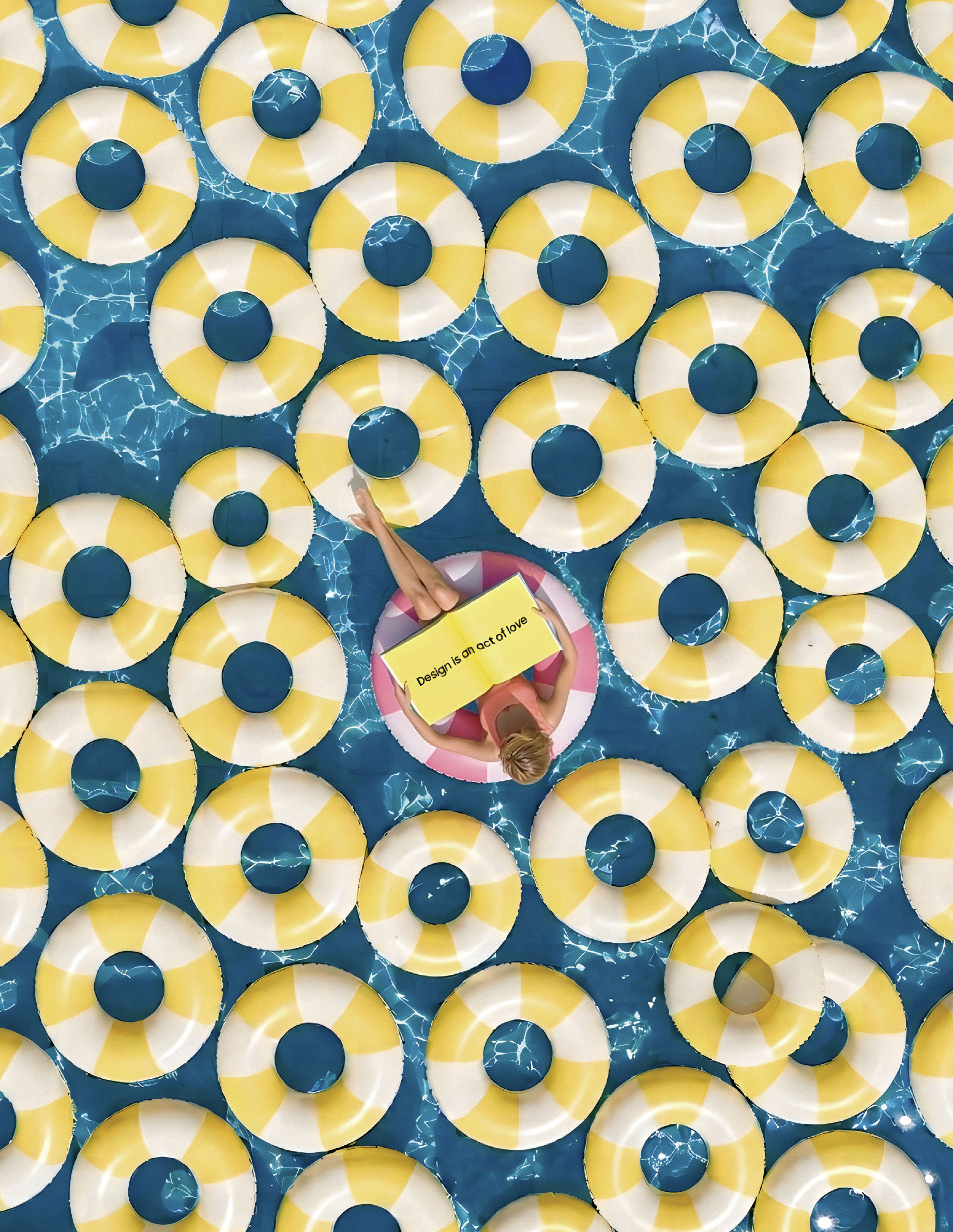
Is expressive design
the opposite of minimalism?
Traditional modernist design was guided by the principle: Form follows function
This often led to neutral, universal solutions frequently expressed through minimalist aesthetics
Expressive design evolves this principle into: Form and function follow meaning.
Meaning may call for:
individuality and identity
emotional connection
cultural expression
calm environmental harmony
All of these are expressions of human needs and human diversity.
Form follows function asks: “What works?”
Form and function follow meaning ask:
“What matters?”
Expressive design doesn’t exclude minimalism, and it is not in contrast with it. Minimalism can still be the right answer in some cases, but it becomes a design choice guided by meaning, not a universal rule.
Expressive design serves both the human need of diversity of choice, as well as the business need of differentiation in an industry dominated by one homogenous language (Minimalism).